Home to the Living Systems Collective Community!

MEET THE FOUNDER & Author
Heather Kinkade
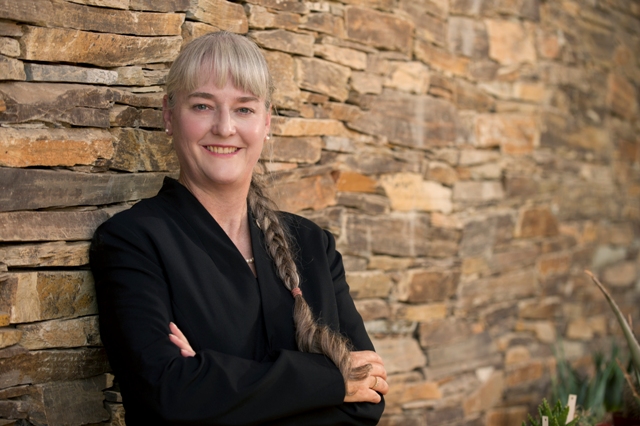
Heather S. Kinkade, FASLA, is an environmental planner, landscape architect, water systems educator, and sustainability advocate whose work focuses on resilient water management, decentralized infrastructure, ecological design, and public sustainability education. With more than four decades of interdisciplinary experience spanning landscape architecture, environmental planning, alternative water systems, sustainability education, and systems thinking, her work bridges the boundaries between built infrastructure, ecological systems, and community resilience.
Heather has worked extensively in rainwater harvesting, stormwater management, water reuse, decentralized treatment systems, and sustainable landscape planning. She has contributed to the development of industry training programs, standards initiatives, and public education efforts related to alternative water systems and resilient infrastructure. Her professional work emphasizes practical strategies that integrate water conservation, ecological function, climate adaptation, and long-term systems resilience.
As Executive Director of ARCSA International (formerly American Rainwater Catchment Systems Association), Heather has supported national education, standards development, certification initiatives, and industry advancement for decentralized water systems across residential, commercial, institutional, and municipal applications.
In addition to technical and professional writing, Heather develops educational storytelling projects focused on resilience, sustainability, ecological literacy, and regenerative systems thinking for broader public audiences.
She is the founder of Forgotten Rain LLC Publishing and continues to develop books, courses, frameworks, and educational programs centered on resilient living systems, water stewardship, ecological recovery, and climate adaptation.
Existing and Forthcoming Works
Kinkade, H. (2026). Cascade Water Cycling™: A foundational systems framework for capturing, sequencing, and reusing water across scales. Forgotten Rain LLC Publishing.
Kinkade, H. (2026). The Resilient Household Audit: The Home Ecosystem Audit Method™ for measuring, visualizing, and strengthening household systems. Forgotten Rain LLC Publishing.
Kinkade, H. (2026). Earthwicking: Absorbing the earth’s healing power through earthing and forest bathing. Forgotten Rain LLC Publishing.
Kinkade-Levario, H. (2007). Design for Water. New Society Publishers.
Kinkade-Levario, H. (2004). Forgotten Rain, rediscovering rainwater harvesting. Granite Canyon Publications.
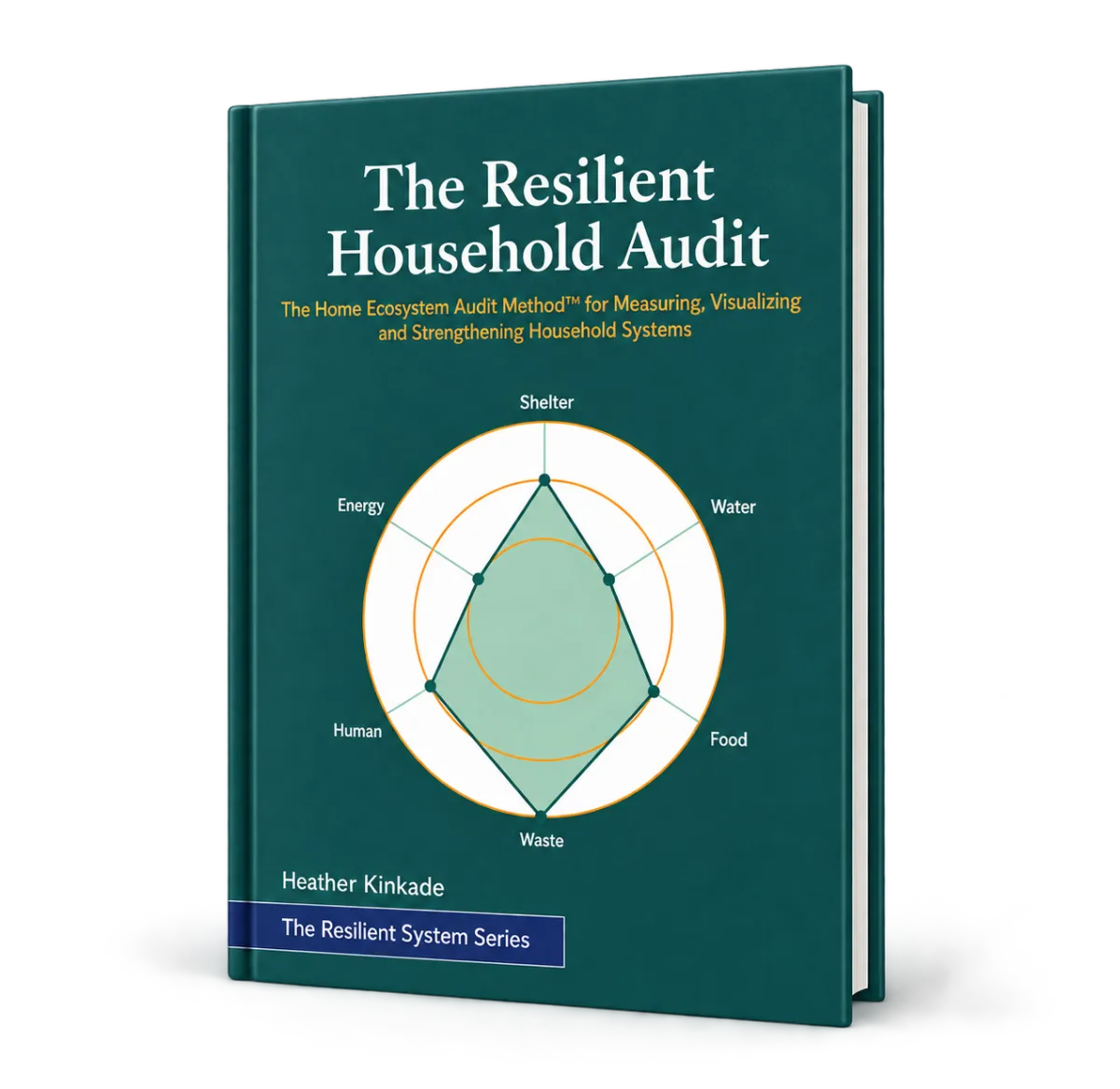
The Resilient Household Audit
This book provides a practical method for evaluating the systems that support your home, including shelter, water, food, energy, waste and human well-being. It helps you identify strengths, uncover vulnerabilities and take manageable steps toward a more resilient household.
Kindle and Paperback

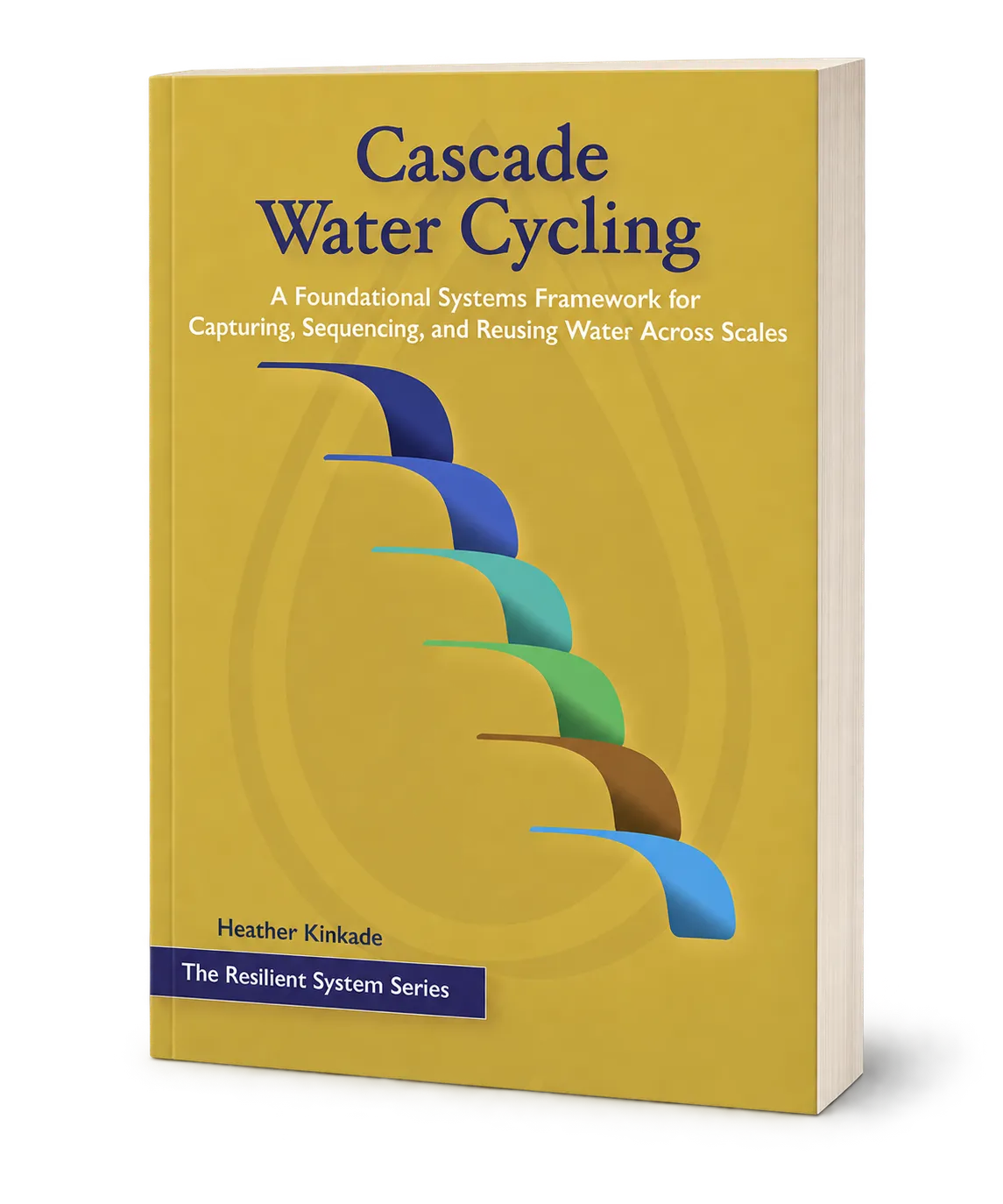
Cascade Water Cycling
Cascade Water Cycling introduces a new way of thinking about water, not as something consumed, but as something continuously reassigned to its highest remaining value. While many frameworks promote water reuse, circular systems, and sustainability, they often stop short of explaining how water should actually move through real systems. This book fills that gap.
Coming Soon!
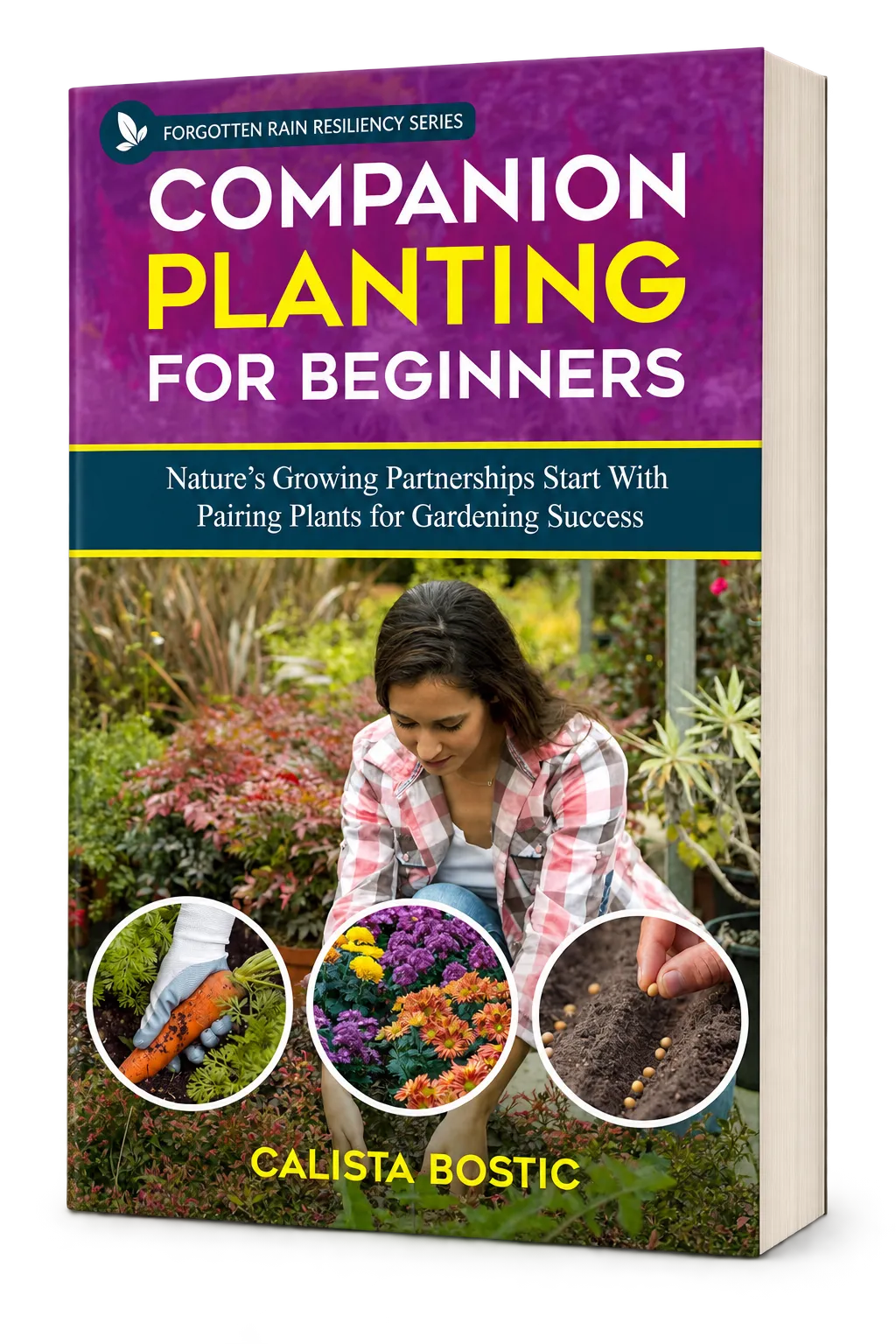
Companion Planting for Beginners
Discover how thoughtful plant pairings can support healthier growth, discourage pests and create a more productive garden. This beginner-friendly guide makes it easier to understand and use nature’s growing partnerships.
Kindle, Paperback and Hardcover
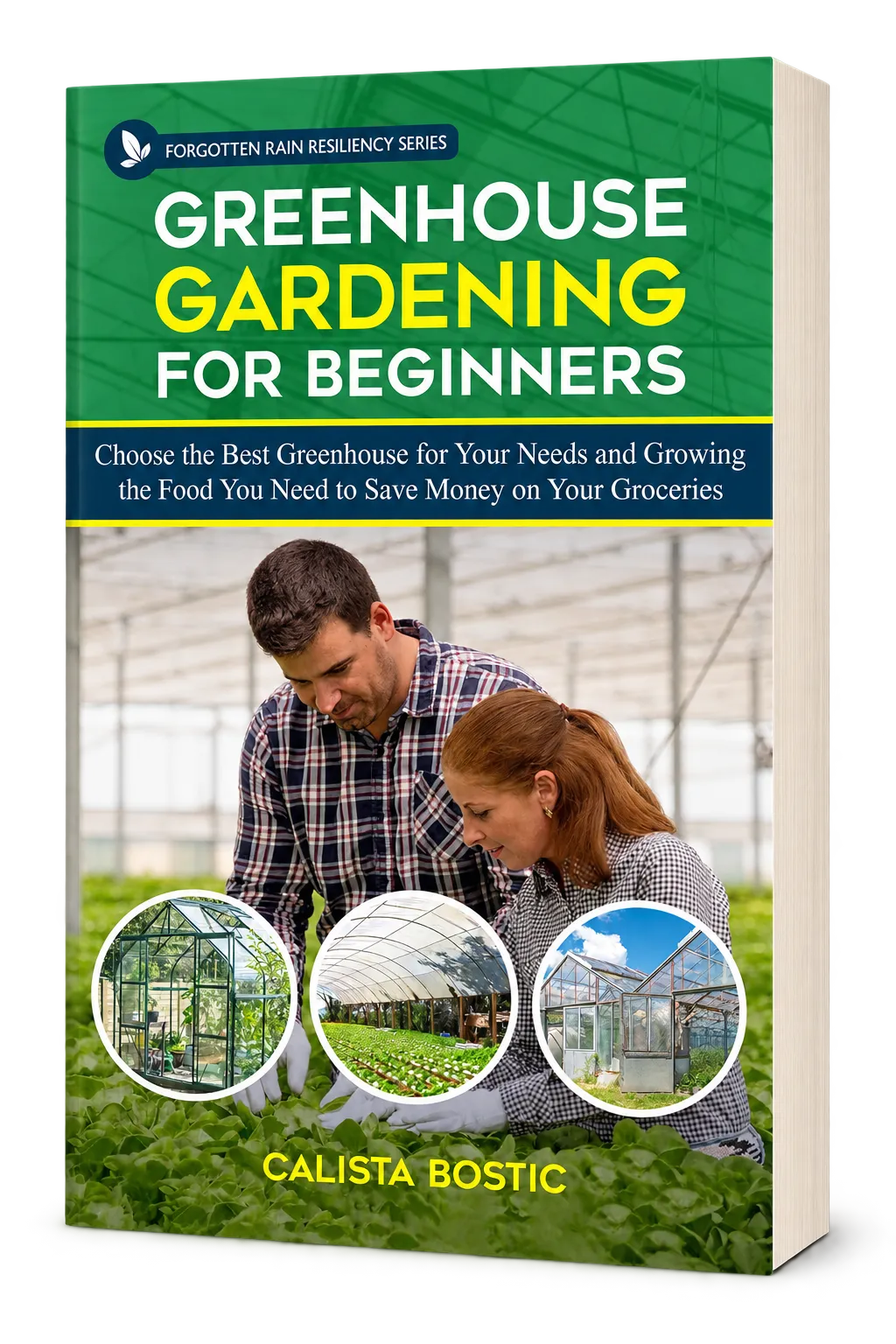
Greenhouse Gardening for Beginners
Learn how to select a greenhouse that fits your space, climate and growing goals. Practical guidance helps new gardeners extend the growing season, raise healthy plants and produce more food at home.
Kindle, Paperback and Hardcover
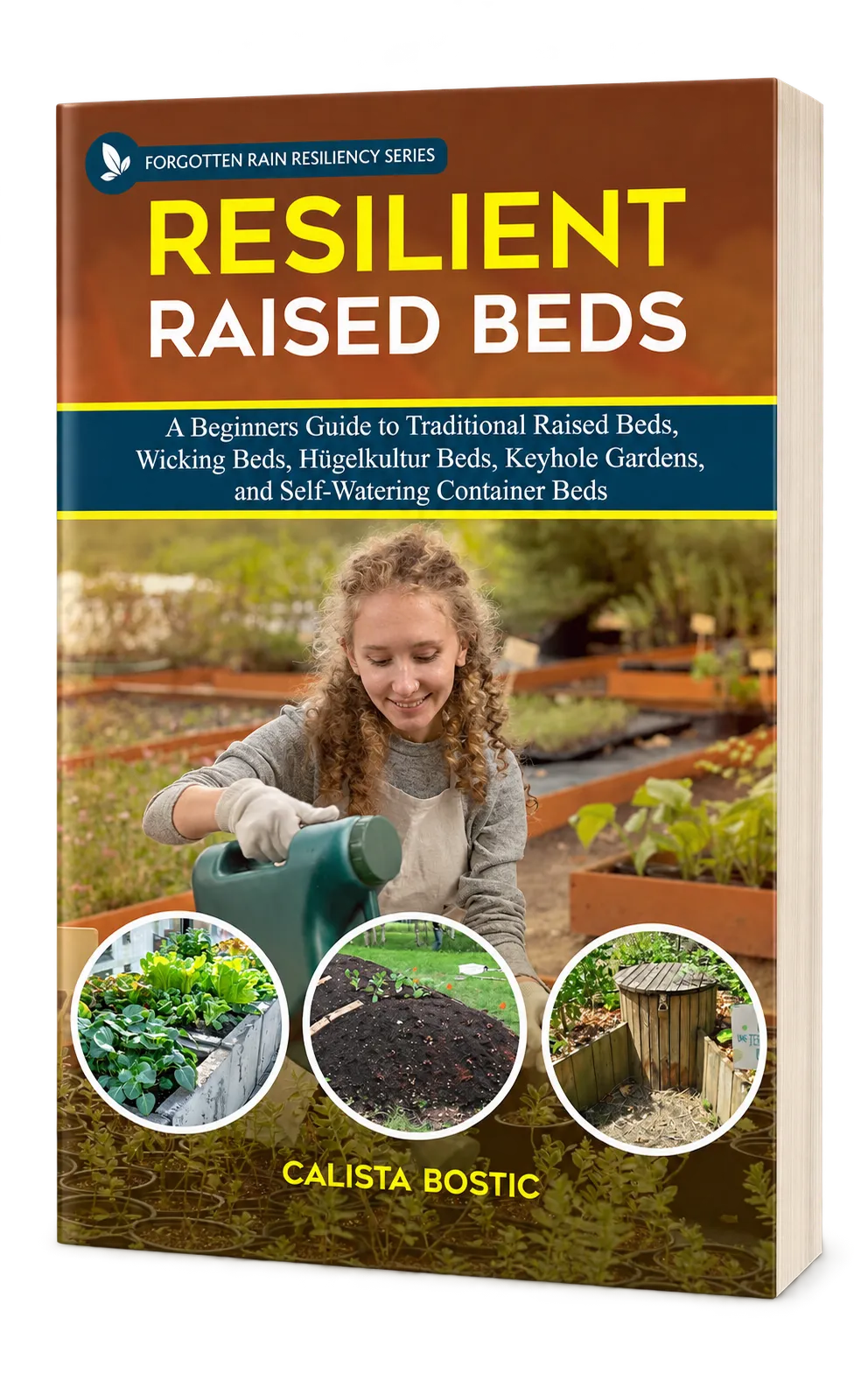
Resilient Raised Beds
Explore traditional raised beds, wicking beds, Hügelkultur, keyhole gardens and self-watering container systems. This practical guide helps readers choose and develop a growing system suited to their property, resources and gardening goals
Kindle, Paperback and Hardcover
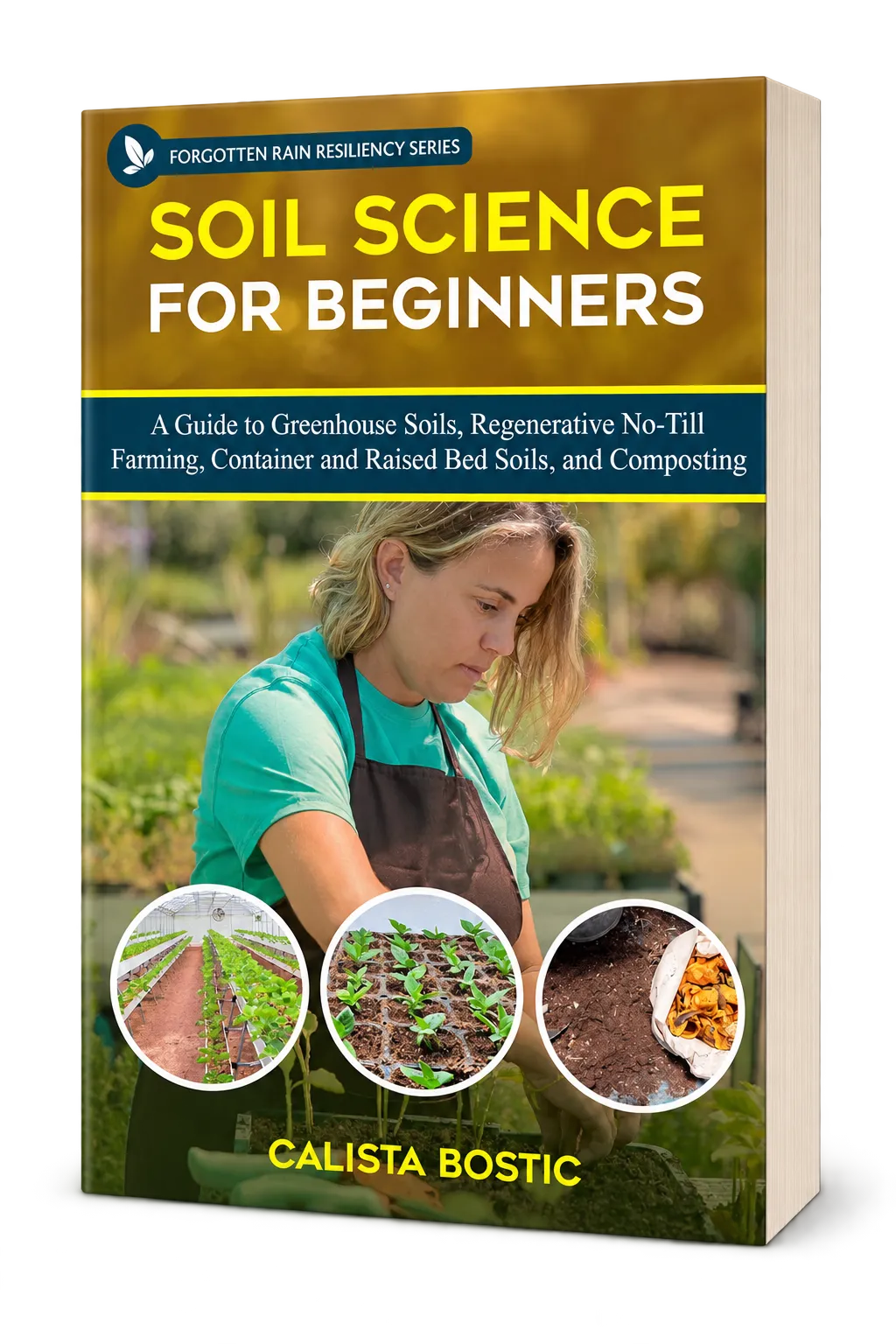
Soil Science for Beginners
Build a practical understanding of soil health for greenhouses, containers, raised beds and regenerative no-till gardens. Readers learn how soil structure, compost and organic amendments work together to support healthier plants.
Kindle, Paperback and Hardcover
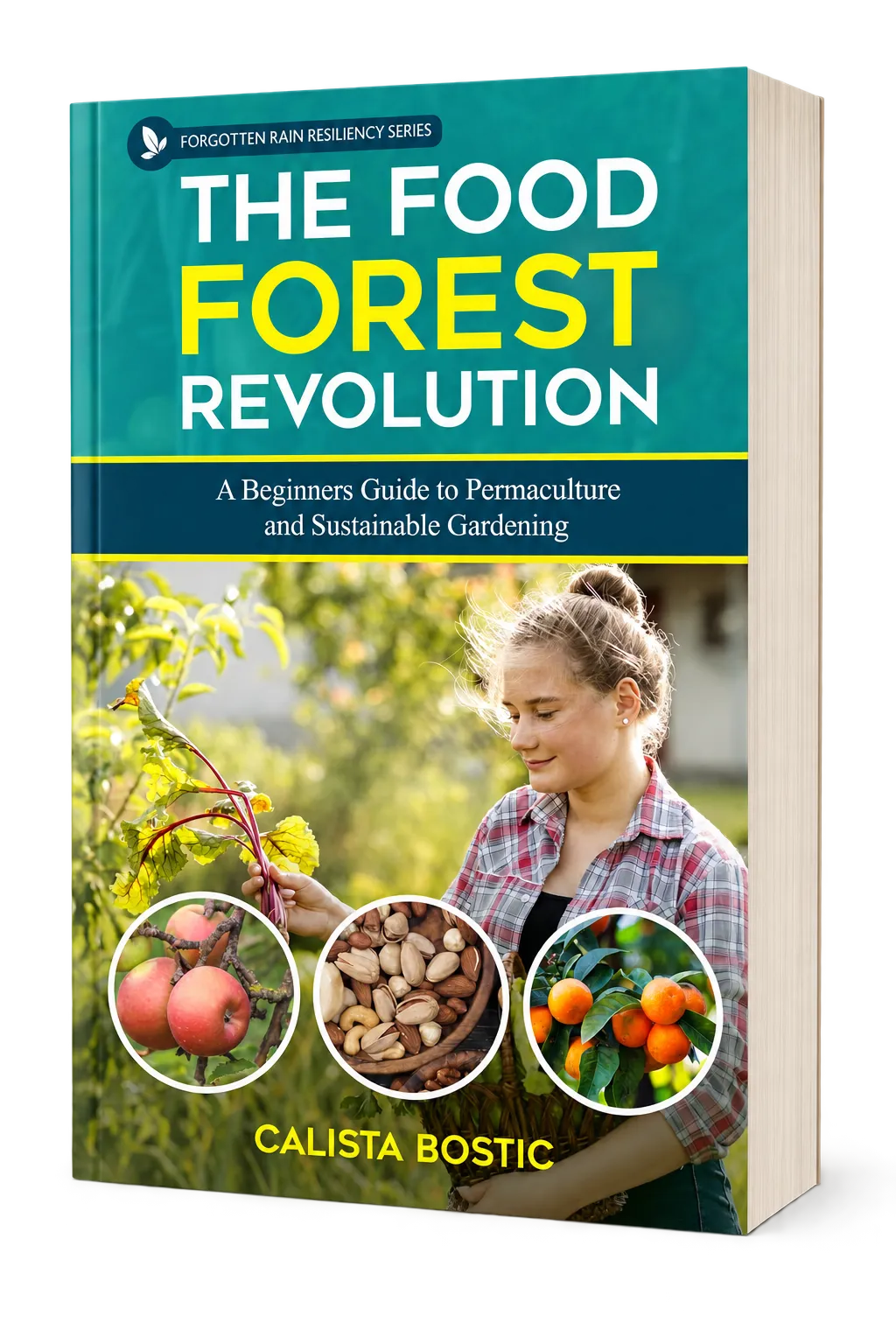
The Food Forest
Revolution
Learn how to create a productive, resilient landscape by applying permaculture principles and observing how natural ecosystems function. The book introduces beginners to food forests, sustainable gardening and interconnected plant communities.
Kindle, Paperback and Hardcover
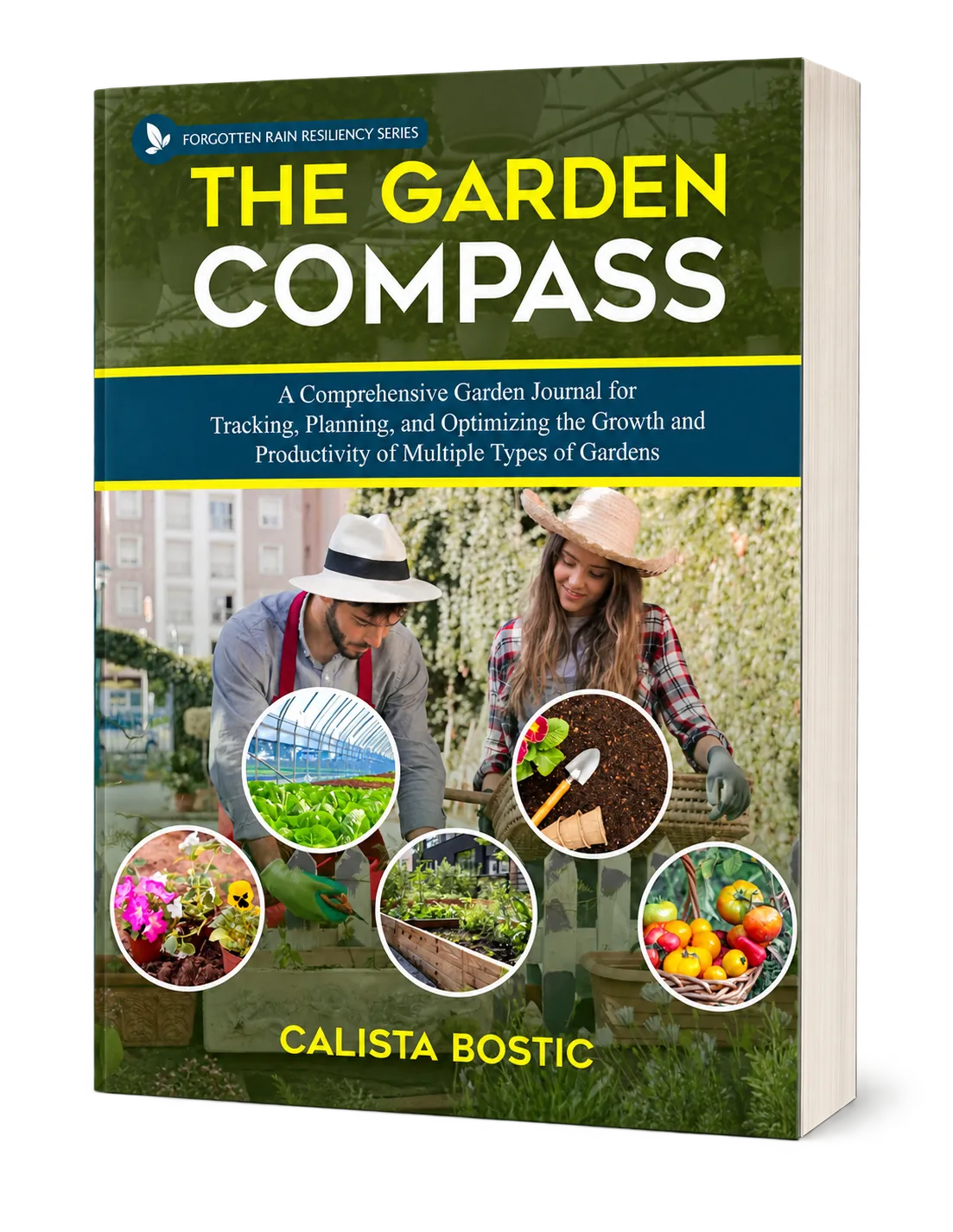
The Garden
Compass
A comprehensive gardening journal for planning, tracking and improving different types of gardens. Its organized recordkeeping system helps gardeners recognize patterns, evaluate results and make better growing decisions from season to season.
Kindle, Paperback and Hardcover
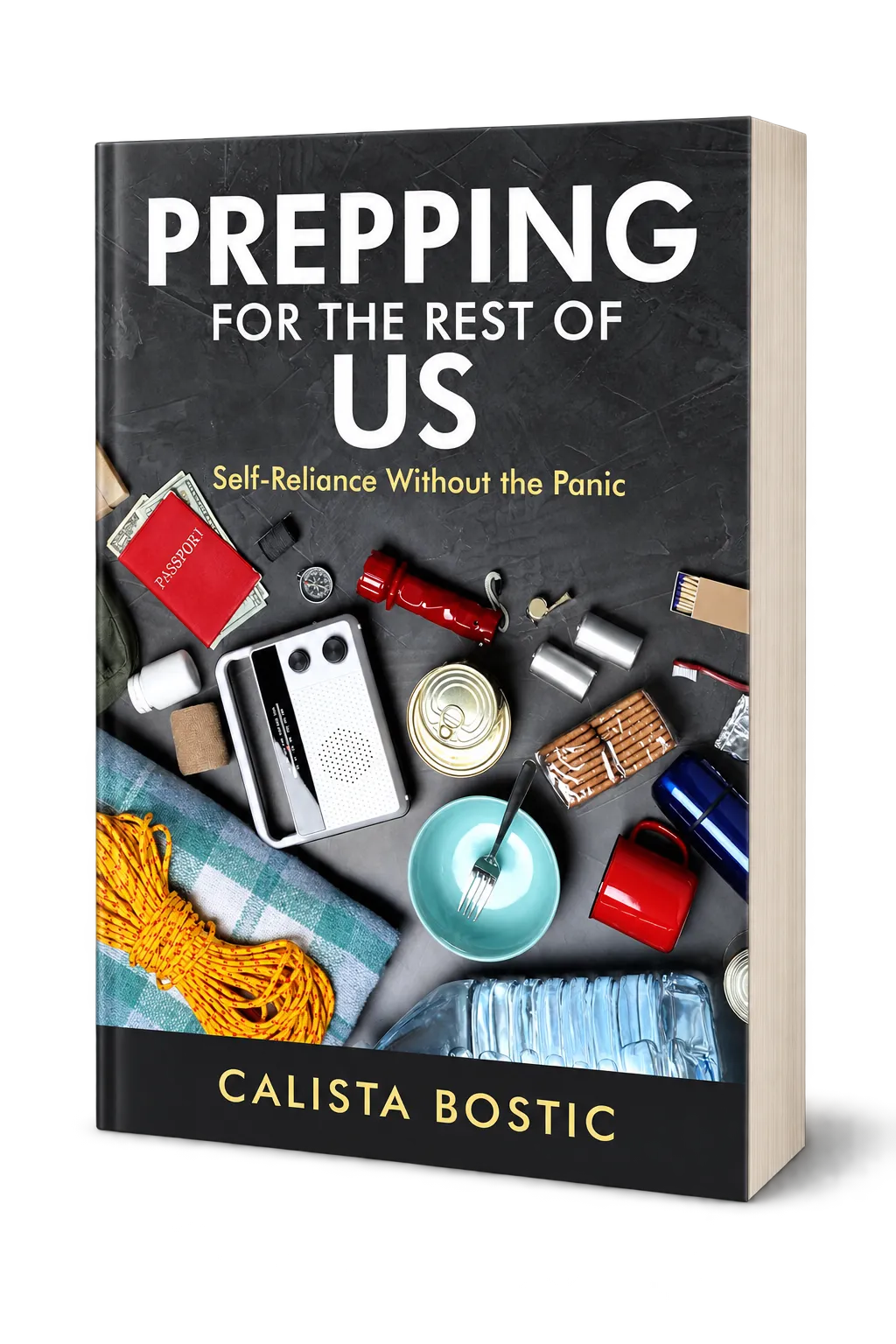
Prepping for the Rest of Us: Self-Reliance Without the Panic
A practical, approachable guide to preparedness that focuses on useful skills and thoughtful planning rather than fear. Readers can strengthen household resilience gradually through realistic, manageable actions.
Kindle, Paperback and Hardcover
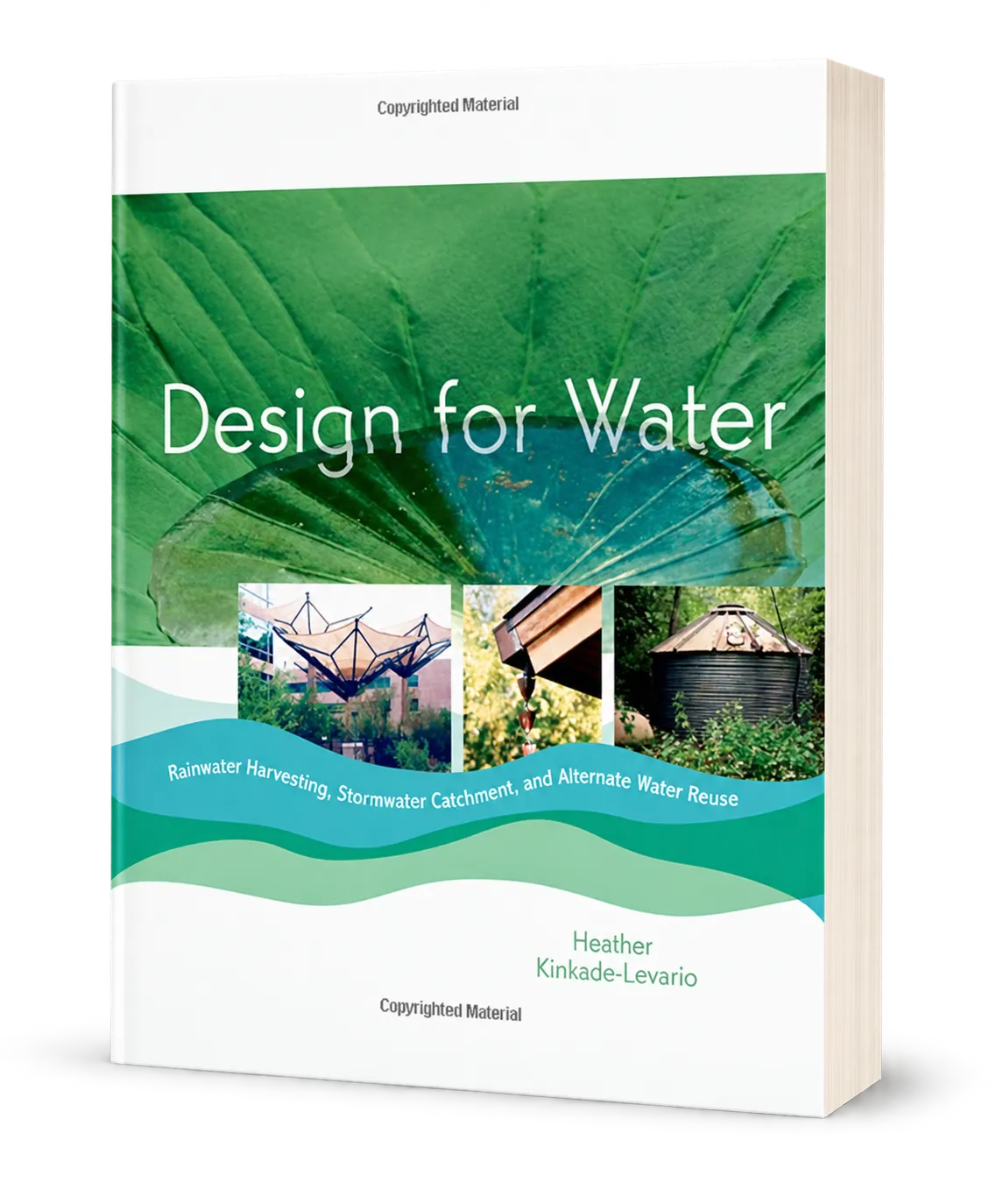
Design for
Water
A comprehensive guide to collecting, storing and reusing water across residential, commercial and community settings. It covers rainwater harvesting, stormwater reuse, graywater, filtration and passive and active water systems.
Kindle, Paperback and Hardcover
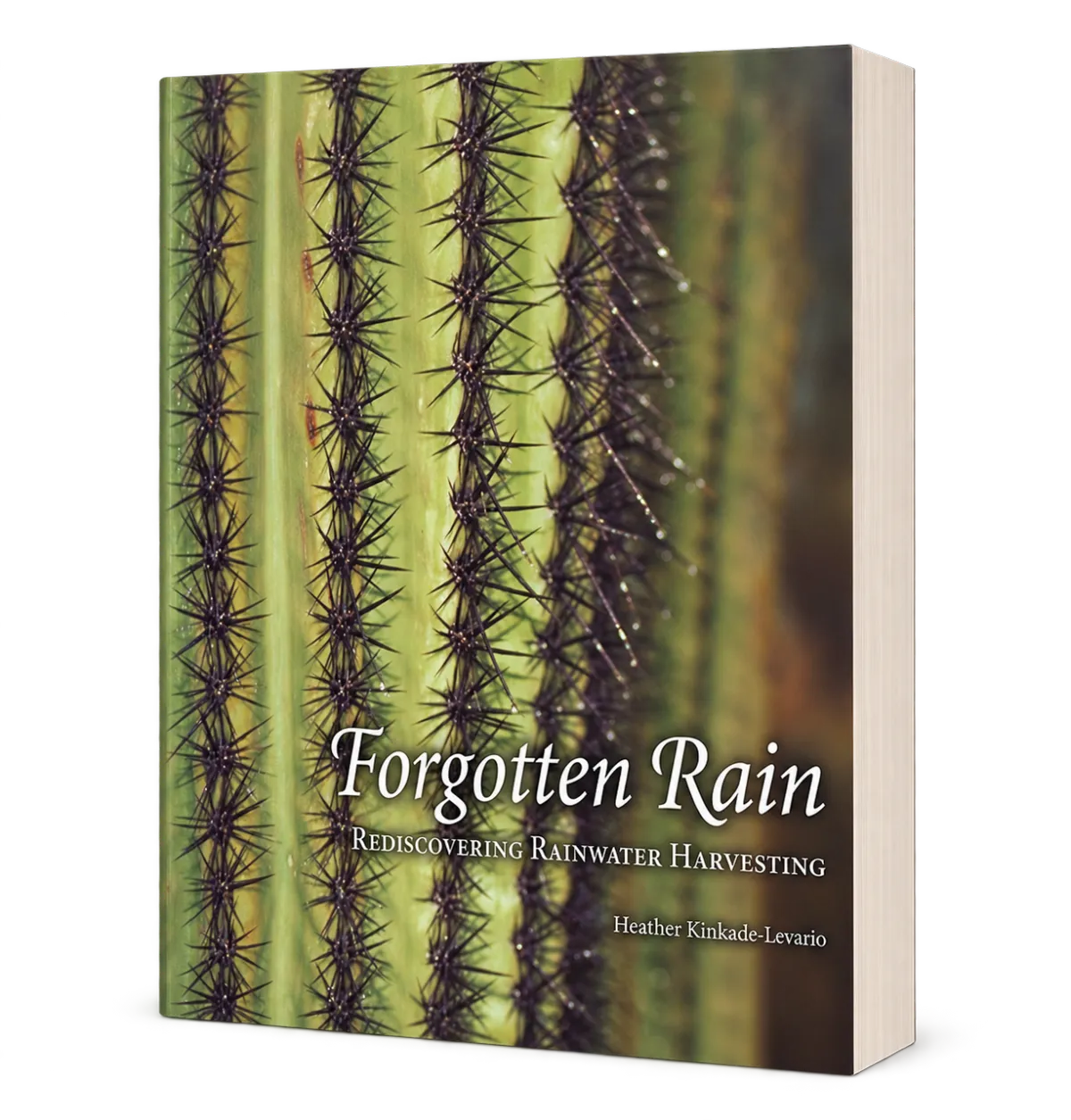
Forgotten Rain: Rediscovering Rainwater Harvesting
An award-winning introduction to the principles and practical value of rainwater harvesting. It helps readers reconsider rain as a valuable resource that can support landscapes, households and more resilient water systems.
Paperback; availability may vary
From Individual Actions to Shared Benefits
Consider a household that captures rainwater and uses it appropriately to support a food garden. That decision connects water management with food production. Improving soil can help retain moisture and support plant growth. Learning to maintain the system strengthens household knowledge. Sharing that experience with neighbors can extend its benefits.
Each connection creates an opportunity. The results depend on local conditions, sound design, appropriate safeguards, and continued care.
Our work helps people understand those relationships and make informed choices about where to begin.
Measuring What We Strengthen
We believe the numbers matter. Useful measurement begins with understanding current conditions, identifying the intended improvement, and tracking what changes.
Depending on the project, that may mean measuring water use, food production, soil condition, backup capacity, completed household actions, or participation in learning and stewardship.
Resilience and regeneration are related, but each needs its own evidence. Resilience concerns the ability to maintain essential functions and adapt to disruption. Regeneration concerns restoring or increasing the ecological and social capacity that supports life.
Our measurement approach is developing alongside our frameworks and tools. We aim to make progress understandable and verifiable, while recognizing that some benefits take time to emerge.
A Practical Path Forward
You do not have to change everything at once.
Begin with your household, your water, your garden, or your connection with nature. Understand what is there. Identify what needs attention. Take a practical step, observe the result, and build from it.
Welcome to the Living Systems Collective Community!



Subscribe for Updates
FOLLOW US


